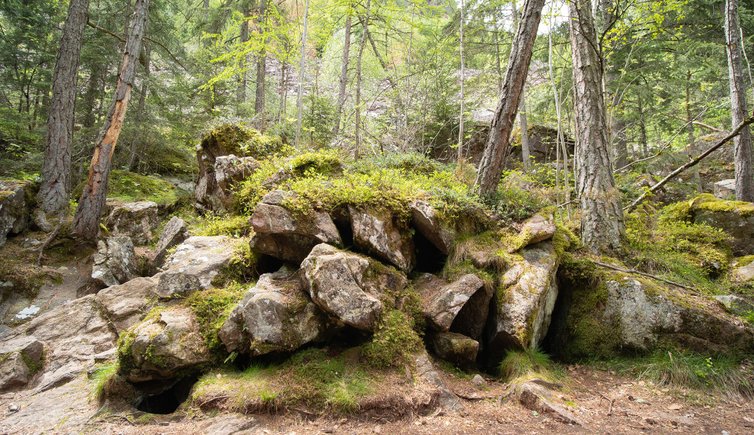
Below the Mendola Ridge in Appiano there’s a natural phenomenon which offers a pleasant refreshment in summer
Image gallery: Ice Holes

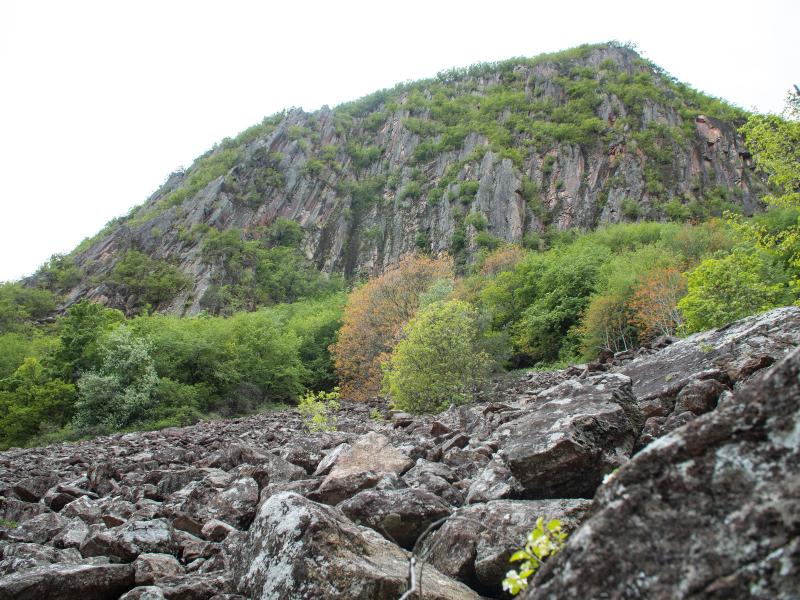
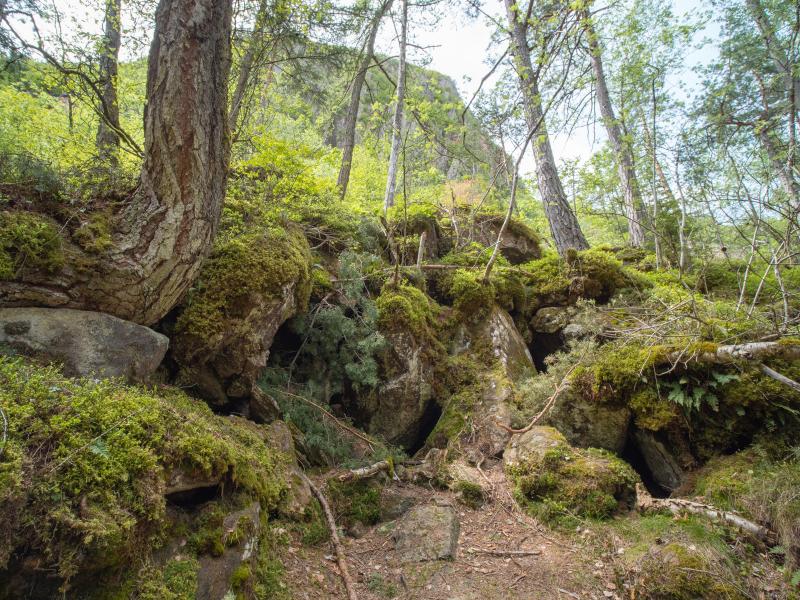
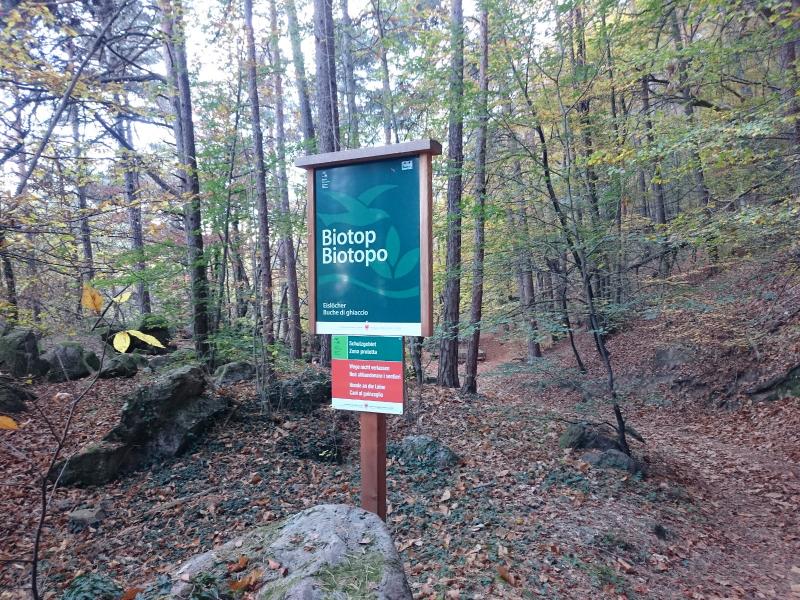
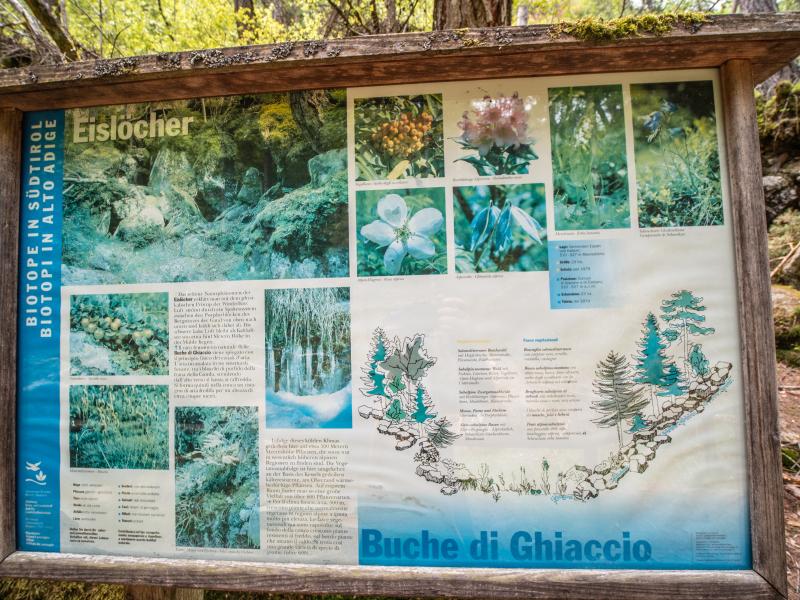
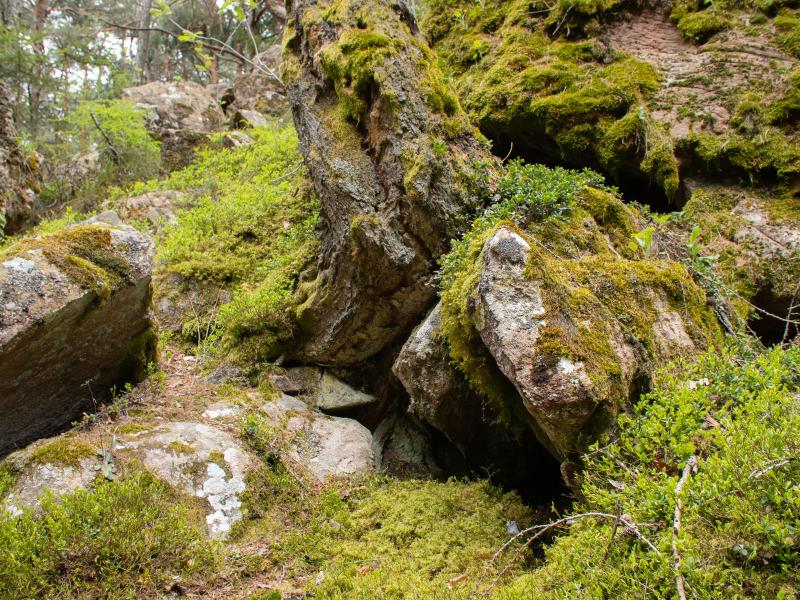
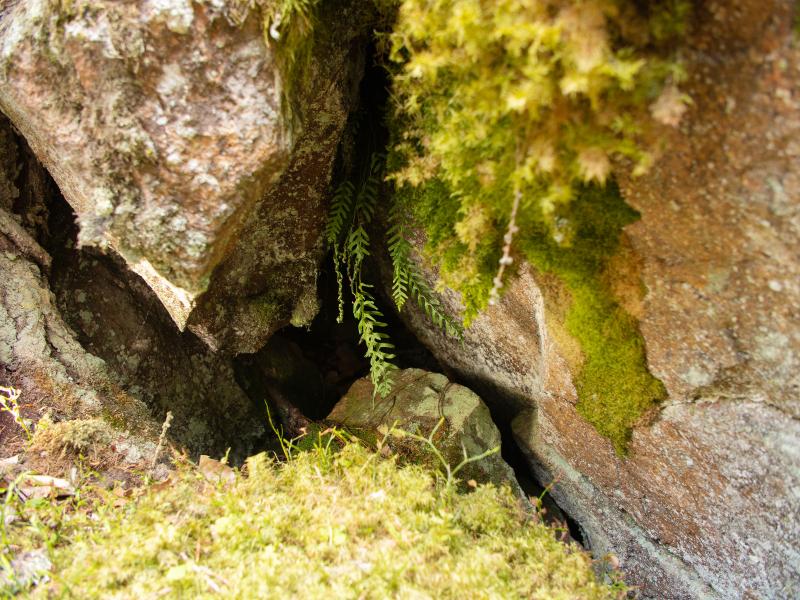


The Ice Holes (Eislöcher, in German - Buche di Ghiaccio, in Italian) at the foot of Mt. Ganda in Appiano represent a geological highlight. Due to various porphyry debris dating back to ancient times, in a 200 m long and up to 50 m wide hollow at 500 m a.s.l. a cold air area was formed.
A hiking path leads to the Ice Holes, large boulders, which release cold air even during summer. The 0 to 9 degrees Celsius cold air forms icicles at the holes at the bottom of the rocks. The physical principle of wind tubes explains the phenomenon: At the top of the quartz porphyry debris warm air enters, cools down and sinks, where it leaves the rocks as a cold air flow. This also explains the unique surrounding alpine vegetation, characterised by a variety of 600 plants, which can normally be found only in alpine areas above 1,200 m a.s.l.
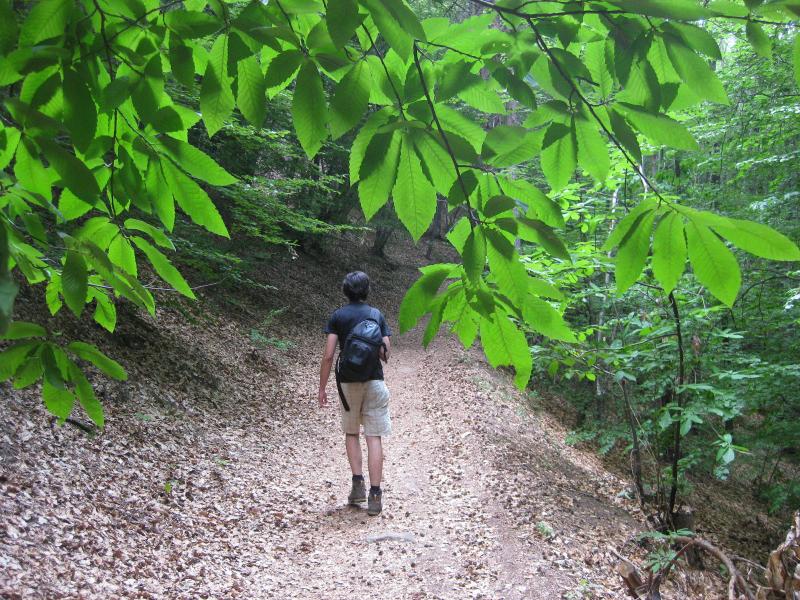
The hike starts in Pianizza di Sopra (Oberplanitzing) near Caldaro (path no. 15) or in San Michele (St. Michael) in Appiano (no 7A and 15) resp. at the Steinegger tavern in Appiano Monte (Eppan Berg), and leads through vineyards and woods to this special place. The tour is also popular among families, but the steps, rocks and narrow spots makes it inaccessible for prams.
Contact info
- Mt. Ganda - 39057 - Appiano / Eppan
- +39 0471 662206
- info@eppan.com
Opening times
Always open
Admission
freely accessible
More information
Recommended as hiking destination during the summer months.